You have 0 items in your cart
4.9 / 5.0 in 150+ Google Reviews


The FUE CT method has been developed for patients who seek to undergo a hair transplant in a safe, natural, and sustainable manner, without relying on hair growth products or hormonal medication (DHT blockers).

Patients seeking high hair density and a natural hairline in a single procedure, without the need for multiple sessions, depending on donor area availability.
Patients who wish to have a large number of grafts safely implanted in one session, while optimally preserving the donor area and supporting recovery based on scientifically grounded regenerative principles.
Patients who have previously undergone a less successful hair transplant using DHI, Sapphire, or traditional FUE techniques, and are seeking a corrective treatment to improve density.
Patients with extensive treatment areas who aim to cover the largest possible surface in a single procedure, without compromising safety or quality.
Younger patients who are still in an active phase of hereditary hair loss. For this group, specific protocols have been developed, focused on responsible and future-proof treatment.
Patients who value maximum safety, tissue recovery, and long-term results, both from an aesthetic and a medically substantiated perspective.
During the extraction phase (harvesting of the hair follicles), as many CT multi-grafts as possible are collected using a specialized method. This approach preserves the essential skin and stem cell structures, resulting in a high survival rate per graft. The hairs maintain their thickness and vitality, comparable to those in the donor area.
Thanks to this technique, the donor area recovers more quickly, with minimal visible signs. This makes it possible to implant a large number of grafts in a single procedure and achieve two to two-and-a-half times greater density.
This provides a clear answer to one of the most common questions: why the FUE CT technique allows for a high number of grafts to be safely implanted in a single session, while the donor area still recovers optimally — something that is often discouraged by other clinics. This aspect is what distinguishes FUE CT from traditional FUE, Sapphire, or DHI techniques.
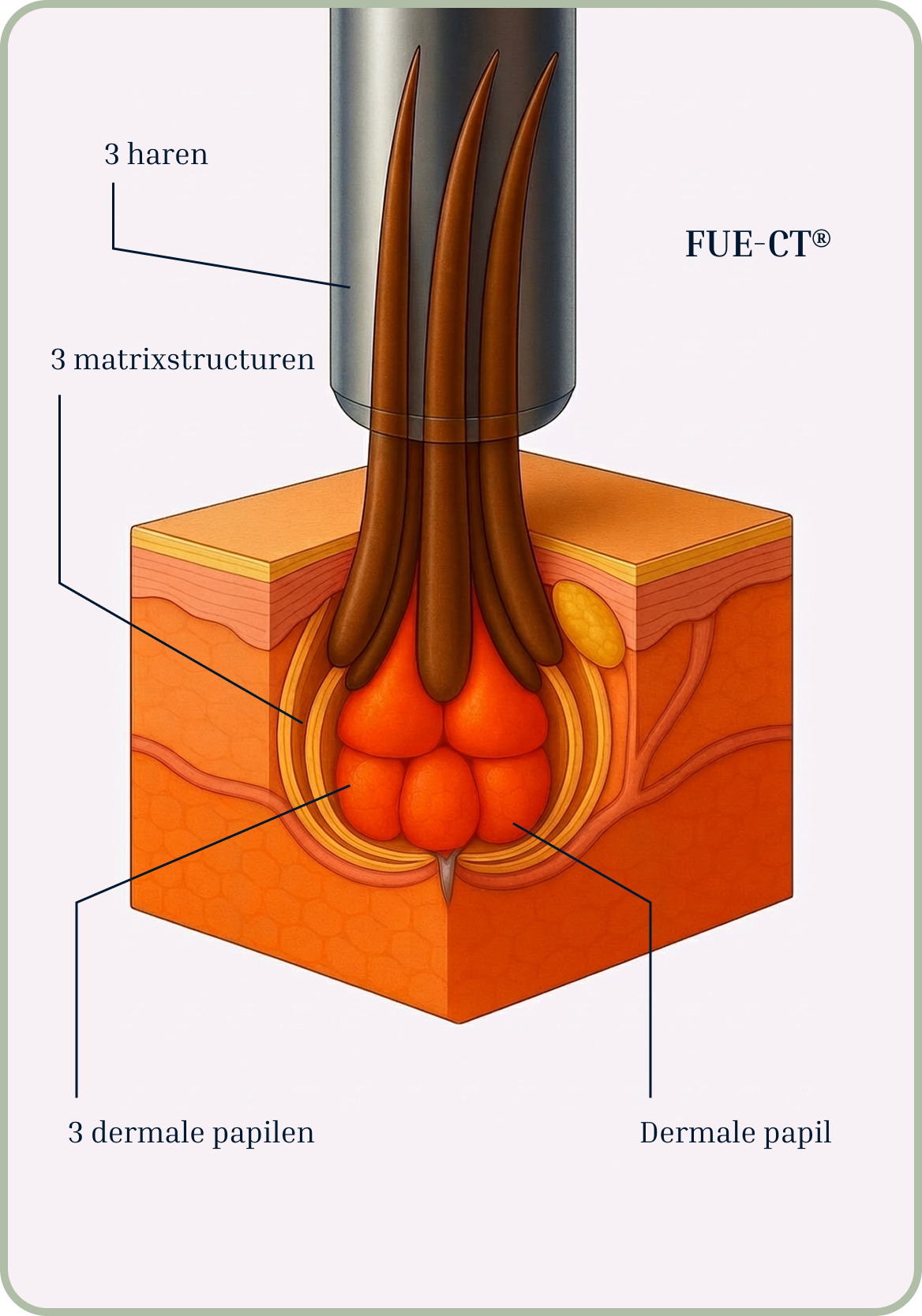
With the unique FUE CT technique, we preserve the growth zone and essential cellular structures during extraction, based on scientific principles, ensuring a high success rate, healthy hair growth, and improved tissue recovery.
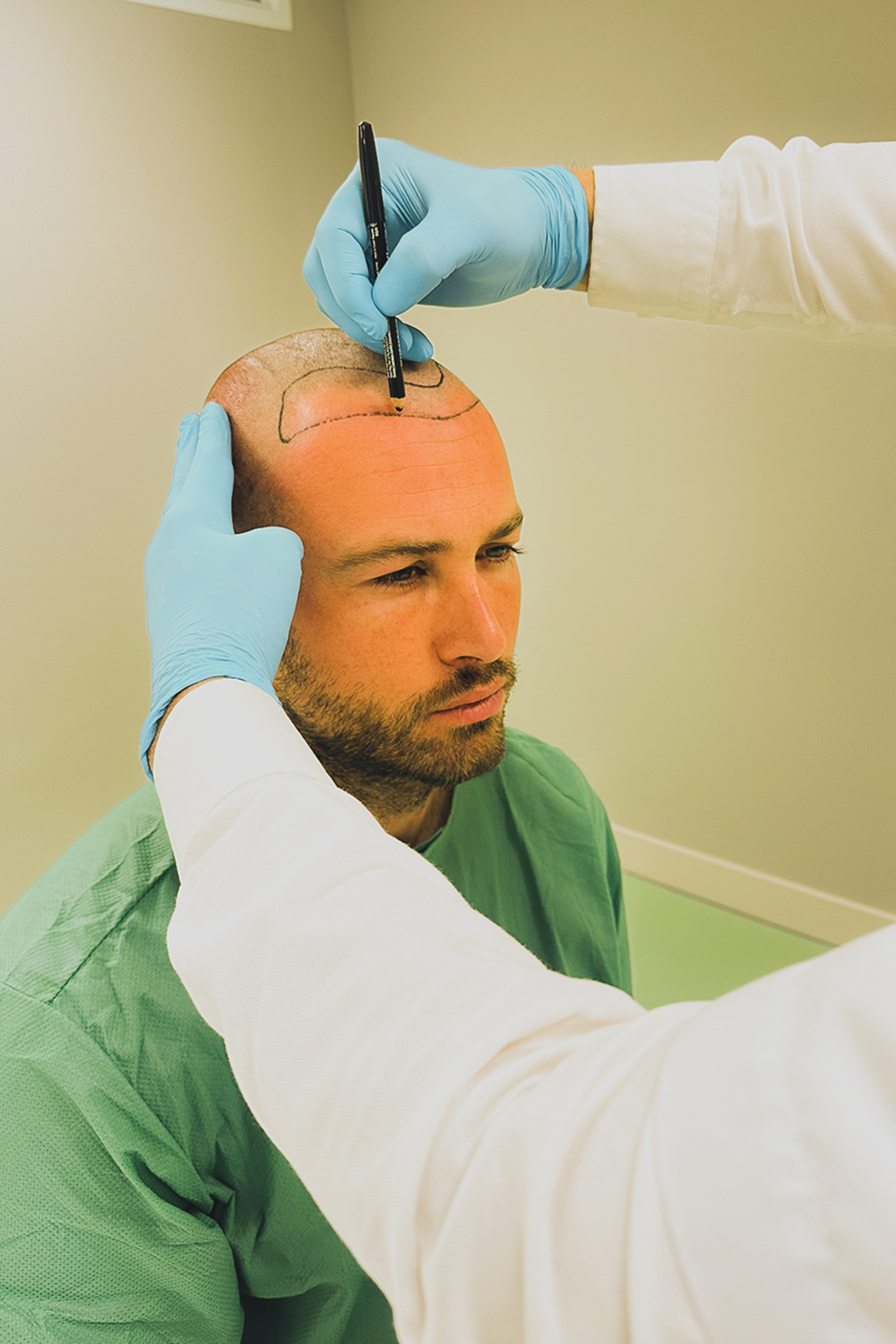
The FUE CT hair transplant is performed according to personalized treatment protocols, fully tailored to each patient’s unique hair and skin characteristics. Your natural hairline is carefully designed in consultation with you. The first rows are implanted using specially selected single grafts, placed in a crosswise and asymmetrical pattern, while preserving natural recessions to achieve the most authentic result.
Overly straight or rigid hairlines that fall outside natural boundaries are not performed. During the consultation, a visual outline of your future hairline can be created.
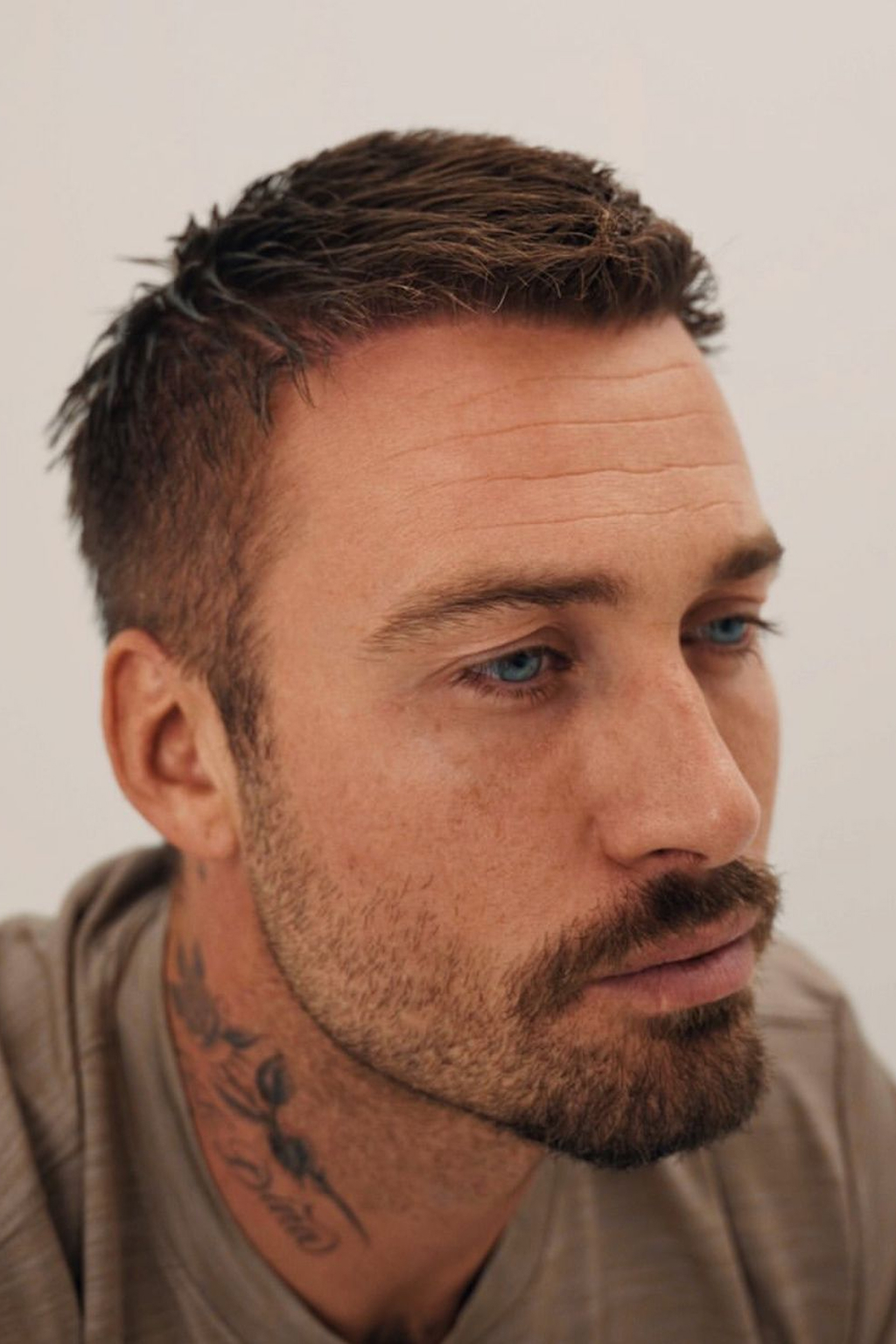
The crown area is treated by FUE CT specialists with extensive experience in implanting grafts according to the natural spiral growth pattern of crown hair. Advanced channel-opening techniques are applied, specifically adapted to the unique anatomy and vascular characteristics of the crown.
As the crown naturally has lower vascular perfusion compared to other areas of the scalp, it requires an exceptionally precise and cautious approach. By combining the FUE CT technique with our regeneration-focused CTS aftercare treatments, we actively support local microcirculation and cellular activity. This contributes to improved graft survival and stable, natural hair growth in one of the most technically challenging areas of the scalp.
With traditional hair transplant techniques, treatment at a younger age is often discouraged. The primary reason is that the number of grafts per session is limited, and the quality of harvested grafts is often insufficient to sustainably address progressive hair thinning.
The FUE CT technique offers a scientifically grounded alternative. Through our advanced extraction methods, regenerative approach, and the use of a high number of CT multi-grafts, we are able to treat larger areas in a single session for younger patients. These CT multi-grafts contain multiple hairs per graft and preserve their vital cellular structures, which is essential for long-term implantation success and effectively addressing hair thinning across a wider surface, reducing the need for repeat procedures.
The objective is to achieve results through a biological approach, without the need for heavy chemical hormone blockers or hair growth medications, which are often associated with significant side effects.
For younger patients, who are often still in the active phase of hereditary hair loss, we apply a dedicated FUE CT protocol. This approach focuses on responsibly treating the largest possible area in a single session, while preserving the donor area and supporting recovery through personalized aftercare, including unique CTS injections and CT supplements. This increases the likelihood of a stable, long-term result aligned with future hair development.
Based on years of clinical experience, our clinic has developed its proprietary FUE CT technique. Until 2015, we performed procedures using the FUE and DHI techniques, and until 2017, the FUE Sapphire technique. Each method has its advantages and limitations. FUE CT was developed מתוך a need for improvement — addressing the constraints of conventional techniques and enabling effective corrective procedures following treatments performed with these methods.
While techniques such as FUE, Sapphire, and DHI can deliver good results, and despite their generally high success rates, clinical practice shows that patients seeking high density often require multiple sessions to achieve satisfaction. This is largely because these methods primarily rely on harvesting a high number of single grafts during extraction, which can result in lower overall density. The experience of the specialist also plays a significant role and can greatly influence the final outcome.
In contrast, FUE CT utilizes a series of personalized protocols and a proprietary extraction method, based on scientific principles, to harvest a high number of multi-grafts while preserving the follicular stem cell structures. This unique approach focuses on tissue restoration according to regenerative principles, maintaining essential cellular components while minimizing scarring.
In addition, FUE CT incorporates an extensive aftercare program, including CTS injections and CT supplements specifically developed for this technique, which actively support recovery and stimulate hair growth. As a result, significantly higher density can often be achieved within a single session. This approach is further supported by advanced diagnostics, refined instrumentation, and biologically driven aftercare protocols.
An increasing number of patients consult us after undergoing one or more hair transplant procedures elsewhere, where the results did not meet expectations, led to unnatural hair growth, or in some cases resulted in complications affecting the donor area — sometimes to the extent that further treatment is no longer considered possible. In many cases, this is due to limitations of the technique, improperly calibrated equipment, or insufficient aftercare, and in some instances, a lack of medical expertise.
FUE CT corrective procedures have been developed for patients seeking to restore a natural hairline, even when the donor area is limited. In suitable cases, there may still be an opportunity to improve density or correct irregularities. To achieve this, Amsterdam Hair Institute works with a dedicated medical team that thoroughly analyzes previous treatments. Based on this, a personalized corrective protocol is developed, taking into account skin type, hair characteristics, donor quality, and the correction of previously made errors.
Although modern hair transplant techniques such as FUE, DHI, and Sapphire can theoretically deliver good results, in practice the final outcome depends heavily on:
The medical experience and precision of the treatment team
The selection of instrumentation and technique
The patient’s skin condition and hair characteristics
The quality and capacity of the donor area
Properly executed aftercare, including hair-stimulating treatments
Personalized FUE CT corrective protocols combine medical expertise, technological precision, and a tailored approach. Each treatment is unique and fully adapted to the individual situation of the patient.
A corrective procedure requires more than standard surgical skills. Scarring, depleted donor areas, improperly placed grafts, or unnatural hairlines demand specialized expertise and careful clinical assessment.
During a personal consultation, the feasibility of the procedure is evaluated, including a realistic assessment of expected results and associated costs. Due to the complexity of corrective treatments, costs may be higher than those of a standard initial transplant.

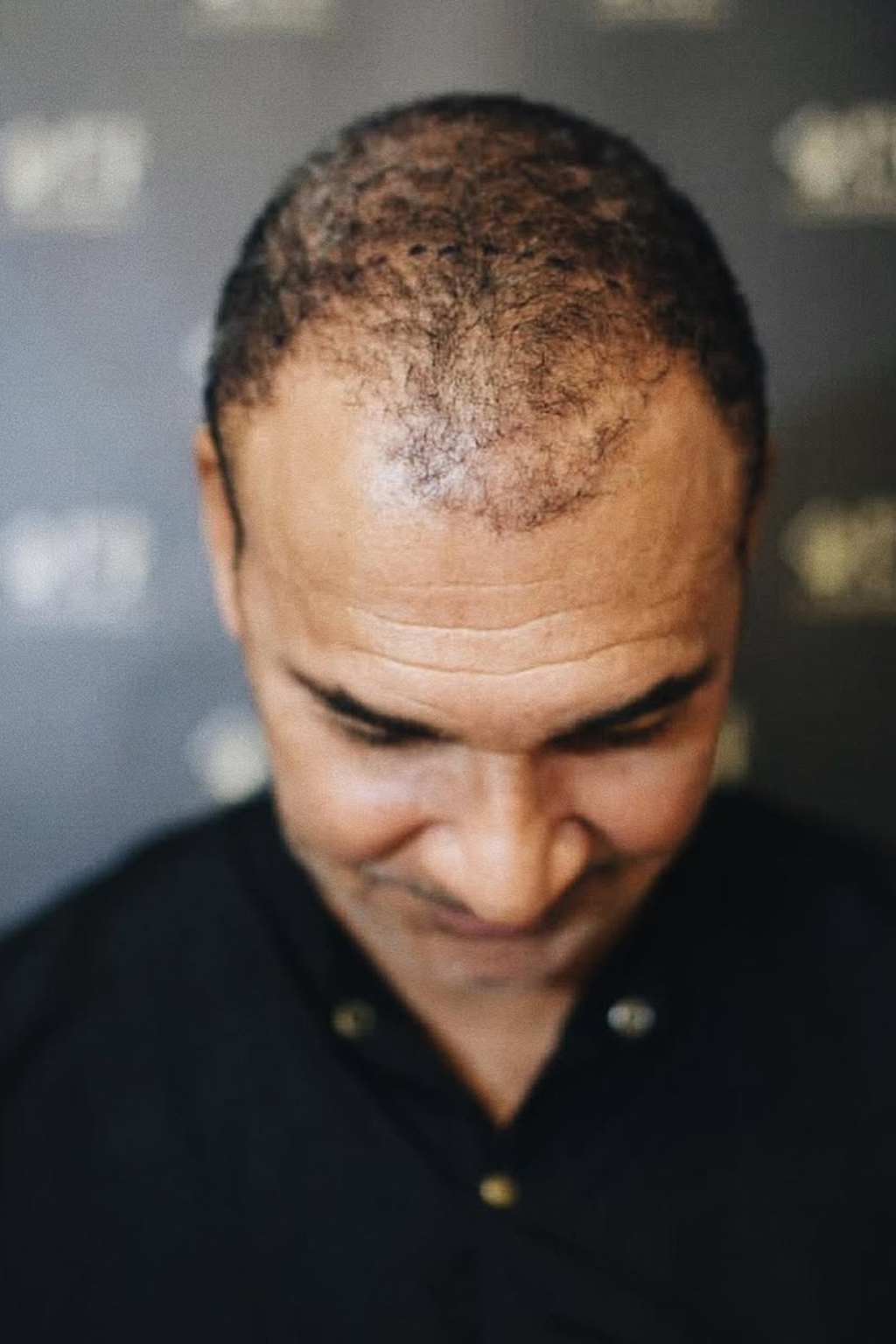
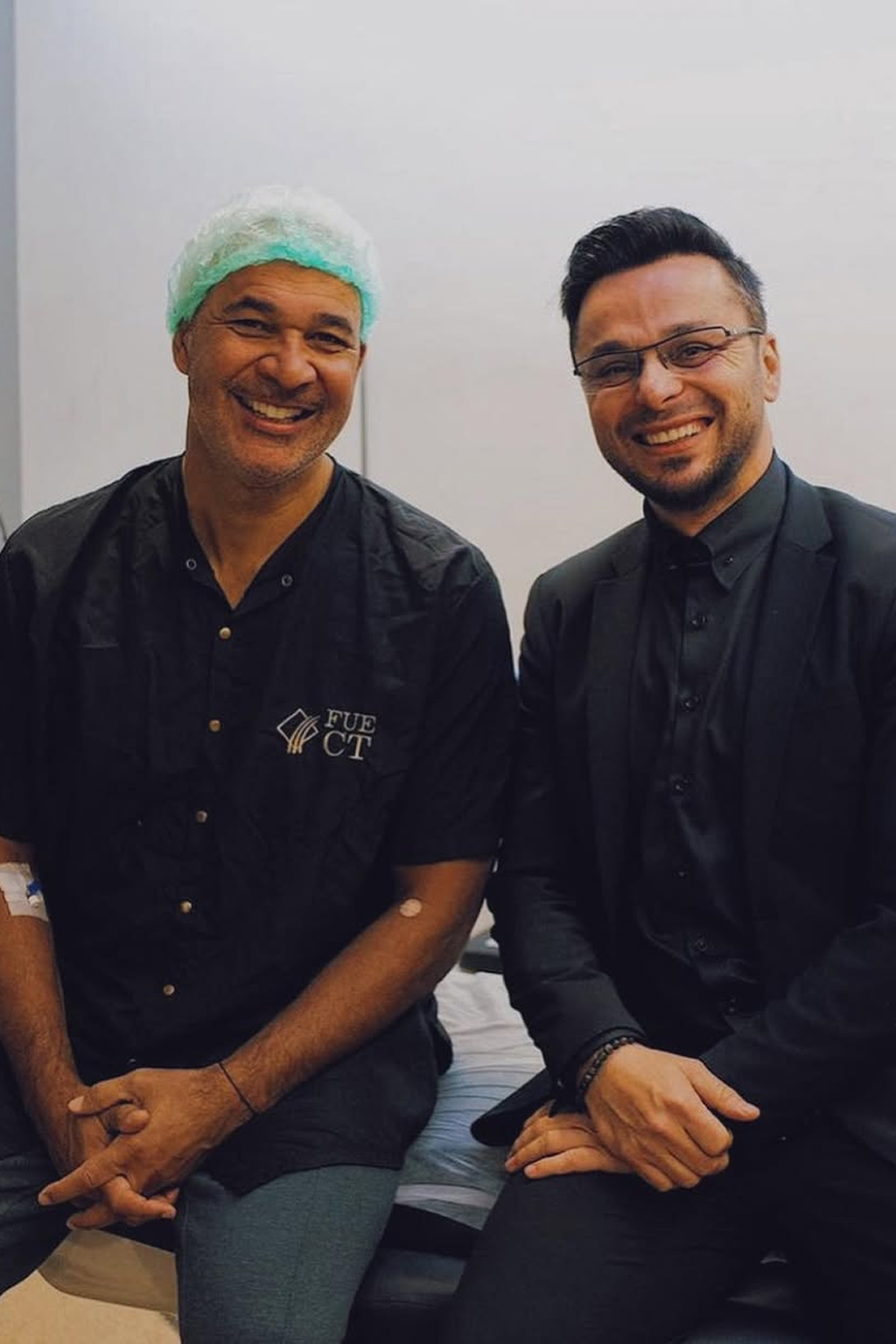
Upload 3 photos and receive no-obligation specialist assessment and quote. After receiving the quote, you can schedule a no-obligation consultation.